More Than Just Guide Dogs: The Invisible Work of Service Animals
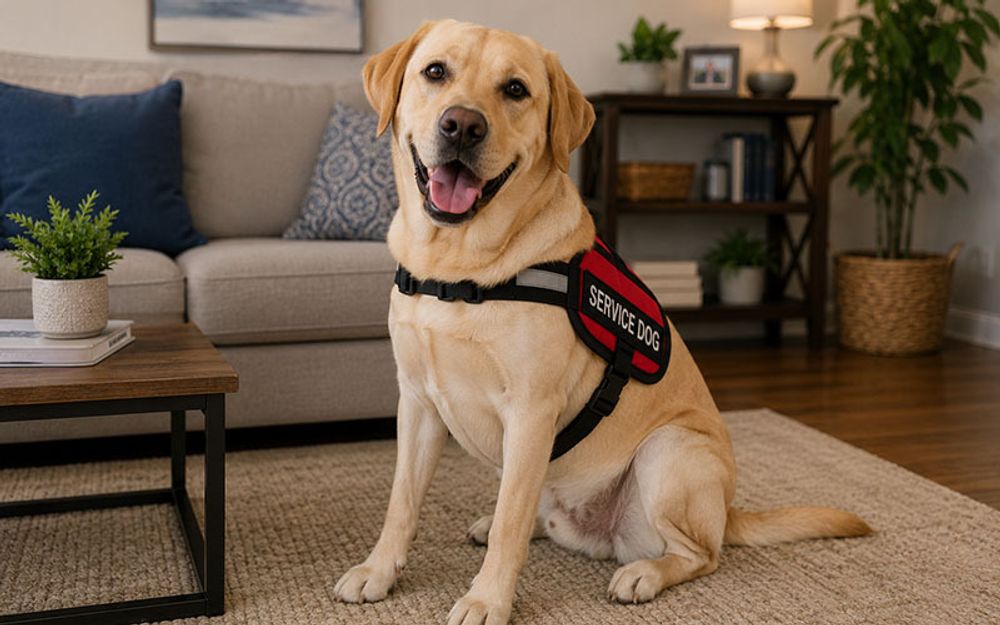
When you picture a service dog, you likely imagine a Golden Retriever in a harness walking next to a person with a white cane. While guide dogs are incredible and fully deserve the profound respect they receive, they represent just one facet of the assistance dog world. The reality is that there are hundreds of different disabilities, and many of them are completely invisible.
Every single day, service dogs are making a massive difference in public spaces, and often saving lives, without anyone around them even realizing it. But before we explore the surprising ways these dogs help, we need to understand exactly what makes a service dog official.
What the ADA Actually Means by "Task"
The Americans with Disabilities Act considers a service animal as any dog that has been trained to do work or perform tasks for a person with a disability, physical, sensory, psychiatric, intellectual, or any other mental disability.
The operative word is trained. Just the dog's presence is not enough to make it a service dog. However, the dog is a service animal if it has been trained to perform a task related to a person's disability.
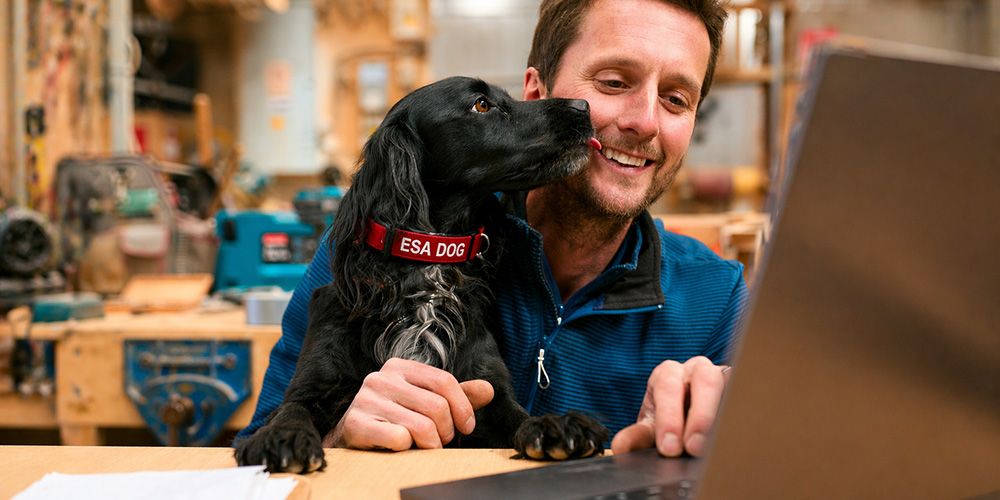
Legally, this trained action is what separates a Service Dog from an Emotional Support Animal (ESA). ESAs bring comfort through presence and are protected under the Fair Housing Act. Service Dogs perform trained actions. The task is everything.
Here are 15 tasks most people have never heard of.
Medical and Chemical Detection
1. Allergen Sniffing: Dogs trained for allergen detection can find even the tiniest traces of peanuts, gluten, or dairy, which is a very important thing for handlers who are allergic to the point of anaphylactic shock.
2. Blood Sugar Alerts: Diabetic alert dogs are trained to pick up chemical clues in breath and sweat that indicate dangerous drops or spikes in blood glucose, often signaling before the person has any symptoms or before the glucometer detects the change.
3. Seizure Prediction: Dogs that can sense the changes in the brain which cause seizures can give their owners a warning several minutes before the seizure happens, allowing them to prepare by sitting down, taking medicine, or going to a safe place.
4. Cardiac Alert and Response: People with conditions like POTS can benefit from a specialized dog that either alerts them to a sudden change in heart rate before it happens, or responds physically by nudging them as it rises. This crucial warning gives the handler time to sit down safely before a fainting spell occurs.
Psychiatric and Neurological Intervention
5. Interrupting Panic Attacks: If a dog has been trained to sense that an anxiety attack is about to happen and take a specific action to help avoid the attack or lessen its impact, it qualifies as a service animal under ADA laws. This can look like nudging, pawing, or applying physical pressure to break the cycle.
6. Deep Pressure Therapy (DPT): A DPT dog physically presses down on either the chest or the legs of a person undergoing sensory overload or a psychiatric episode. This pressure activates the parasympathetic nervous system, pulling the body away from fight-or-flight.
7. Room Clearing: If handlers with PTSD have to go into new spaces that they do not know, they can get severely hypervigilant as a reaction. The dog goes in first, scans the area, and signals the handler that it is safe before the handler enters.
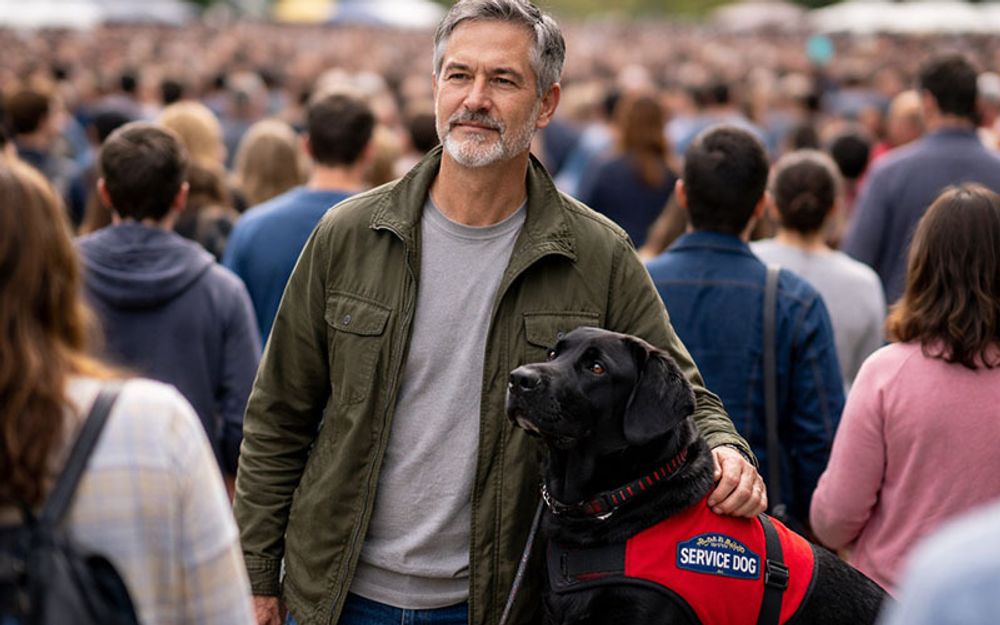
8. Guiding Away from Crowds: For handlers with autism or severe anxiety, being in highly stimulating environments can lead to a rapid escalation of their condition. A well-trained service dog helps them exit by responding to a command that indicates a different path, thus giving them access to a way out before their condition becomes uncontrollable.
9. Nightmare Interruption: PTSD dogs spot the signs of a nightmare physically and wake their handler before they get the full nightmare so as to break the loop early.
Unique Physical Assistance
10. Vertigo Bracing: In the case of handlers whose condition causes a loss of balance, a well-trained brace dog locks its stance so that the handler can lean on them for balance and not fall.
11. Medication Retrieval: The dog fetches a bag with medical supplies, a pill container, or a glass of water when the handler is down due to a pain flare-up, or when there is no way to get across the room.
12. Dropped Item Retrieval: With severe joint instability or Ehlers-Danlos Syndrome, the mere act of bending down and picking up the phone, or even the keys, can be physically damaging. A highly trained retrieve dog eliminates this risk entirely.
13. Emergency Phone Retrieval: When a handler has fallen and is not able to get up, an emergency response-trained dog is capable of bringing the phone to them to make the call for help.
Hearing and Environmental Alerts
14. Doorbell and Alarm Alerting: When any of these - fire alarm, smoke detector, or doorbell - go off, a hearing alert dog will make contact with its deaf or hard-of-hearing handler, thus giving them the information they need for their safety.
15. Name Alerting: When someone calls the handler's name from behind or from another room, a hearing alert dog taps or nudges their handler to let them know they are being addressed.
Your Invisible Disability is Valid
If you use a service dog for any condition above and have ever been met with a skeptical look in public, this part is for you.
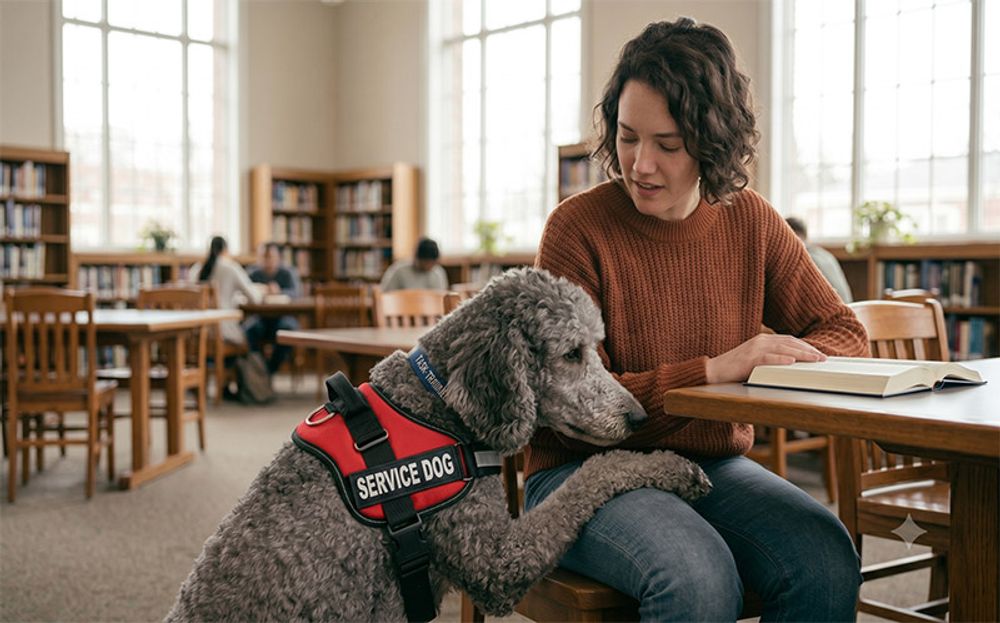
You do not owe strangers your medical history. No one is legally allowed to ask you to show medical documentation or what your disability or diagnosis is. The only two questions permitted under the ADA are whether the dog is a service animal and what task it is trained to perform. That is it. The law is on your side, even when the people around you are not.
Protect Your Peace of Mind as a Service Dog Handler
Service dogs are not pets that happen to come to work. They are highly trained medical partners whose job descriptions most people cannot imagine. Often, their work goes unnoticed because the handler’s disability is also invisible, but both the dog’s work and the person’s disability are very real and deserve utmost respect. Living with an invisible disability comes with unique challenges, and navigating public spaces with your service dog should not be one of them.
While the ADA does not legally require official registration, many handlers find that having clear identification helps prevent unwanted confrontation and makes public access significantly smoother. If your dog is trained to perform tasks for your disability, equipping them with professional IDs and vests allows you to focus on your health, not on explaining your medical history to strangers.
Register your service dog with USA Service Dogs today to receive professional identification equipment, recognition in public spaces, and 24/7 support to make your life as a handler much easier.