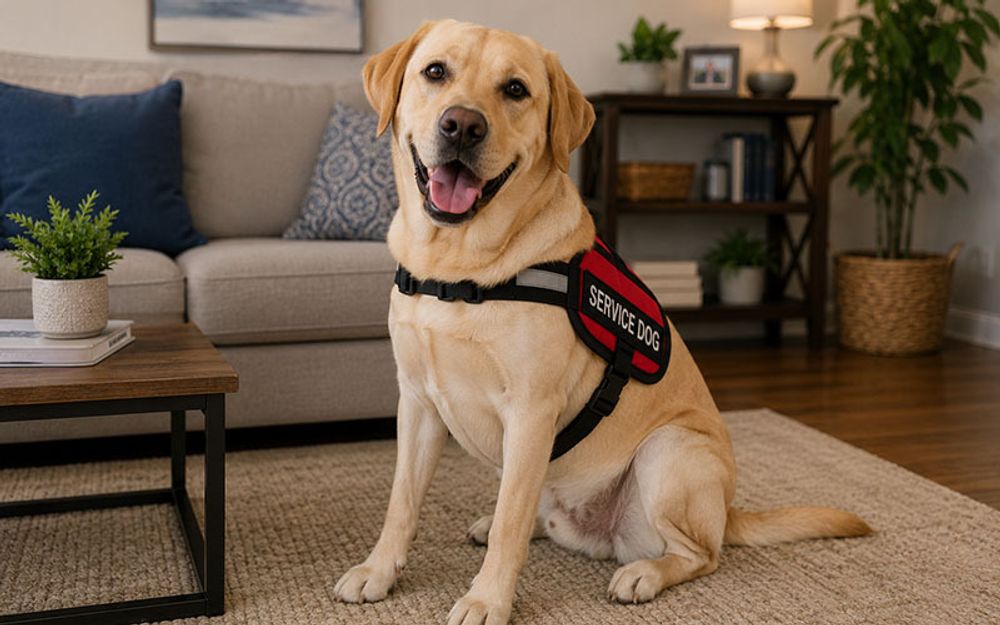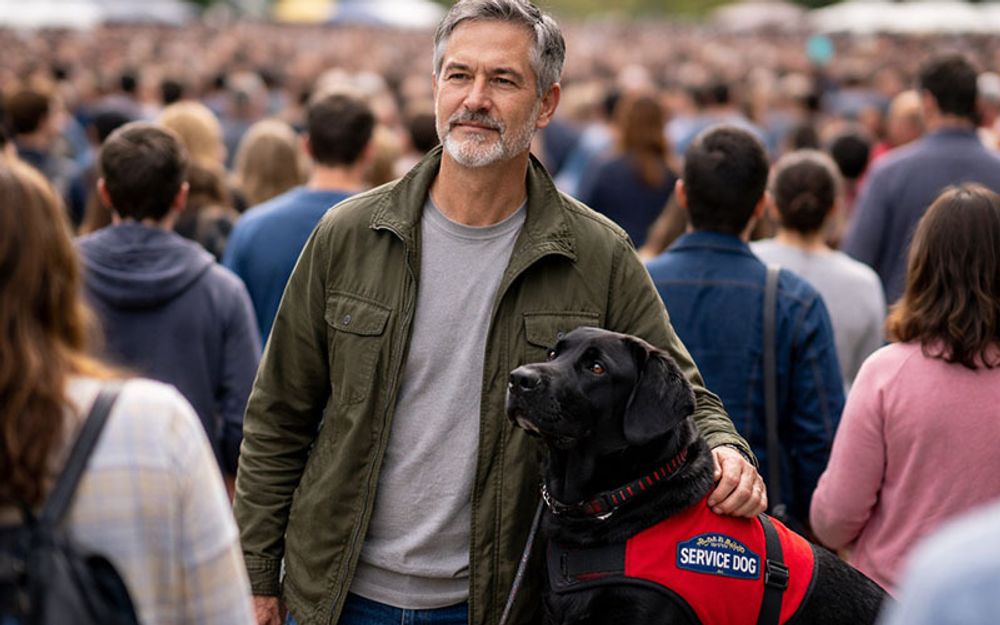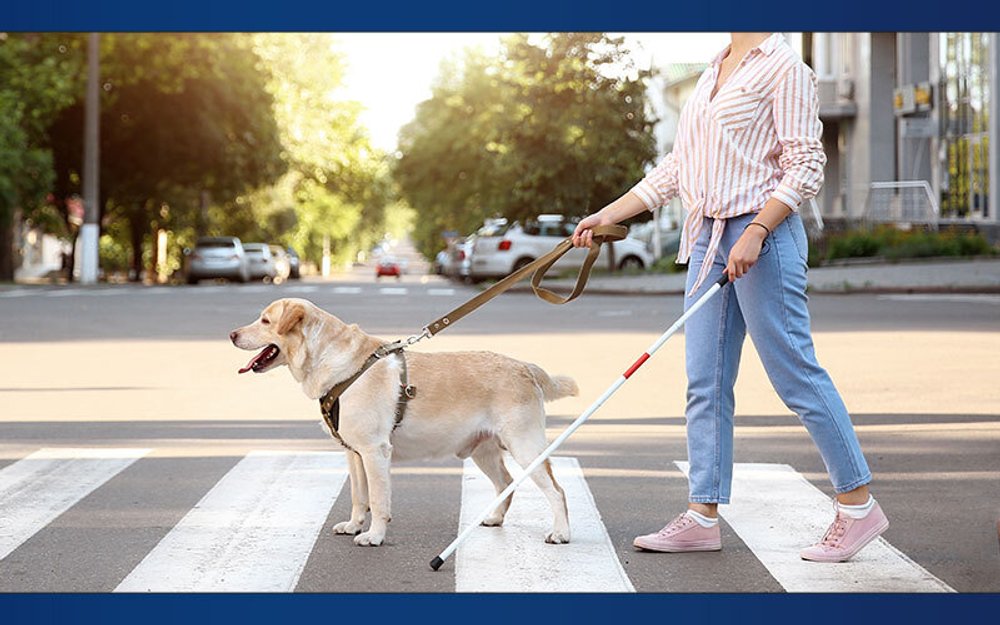
What is a Service Dog?
Service animals perform specialized tasks for their owners and are trained to alert individuals with life-threatening conditions like diabetes or epilepsy. These dogs assist people with physical, sensory, psychiatric, or intellectual disabilities, helping them complete practical tasks they cannot manage independently. Service dogs have full public access rights, allowing them into restaurants, stores, businesses, and public transportation including buses and airplanes.
What Types of Service Dogs Are There?
No specific certified breed list exists for service dogs. Any breed can train as a service dog if capable of performing required tasks, though certain breeds are more commonly used due to intelligence, focus, and calm behavior. Essential characteristics include:
- Intelligence — Dogs must complete complex tasks, make sound decisions quickly, and act decisively
- A desire to work — Consistency and longevity matter; dogs enjoying work perform better daily
- A friendly and loving character — Service dogs must be friendly to people and animals without posing health or safety threats
- A calm demeanor — Dogs should remain composed in their surroundings and make life-or-death decisions effectively
Different breeds suit different service types. Labradors commonly assist the blind, while border collies work as alert dogs for epilepsy. Breed selection depends on owner-specific needs; smaller breeds like Pomeranians suit owners unable to accommodate larger dogs.
Most Frequently Used Service Dog Types
- Labrador Retrievers
- Golden Retrievers
- German Shepherds
- Poodles
- Boxers
- Border Collies
- Bernese Mountain Dogs
- Great Danes
- Pomeranians
Service dogs provide unique capabilities enabling owners to live independent, fulfilling lives. While multiple breeds can work as service animals, some breeds prove more suited to service work and task performance.