Exploring the Great Outdoors with Your Dog
The weather is finally warming up, and the mountains are calling your name. It is finally time to trade beach towels for hiking boots. Exploring the great outdoors is a wonderful way to bond with your animal. National and State Parks offer breathtaking views and fresh air.
However, these protected lands have unique and strict rules regarding animals. Navigating these regulations makes sure a smooth trip for everyone. This guide helps handlers map out their next big adventure. We want you to explore safely without running into trouble. You and your Service Dog or ESA deserve a great trip.
The NPS Distinction—Service Dogs vs. ESAs
Understanding the legal landscape is the first step for any traveler. The National Park Service strictly follows the Americans with Disabilities Act. This means there is a clear distinction between Service Dogs and Emotional Support Animals.
Service Dogs are defined as dogs individually trained to do work. They must perform specific tasks for a person with a disability. Because they are working animals, they are not considered pets. They are exempt from standard pet restrictions in most areas.
Emotional Support Animals provide vital comfort and support to their owners. However, they do not perform specific trained tasks for a physical disability. Under NPS and State Park guidelines, ESAs are classified as pets. This means they must follow the same rules as any household dog.
Always Check Park Alerts
Always check the specific park website before you pack your bags. Individual park superintendents have the authority to close certain areas. Even Service Dogs may be restricted if a safety hazard exists. This often happens in extreme thermal areas, such as those in Yellowstone National Park.
Trail Access & Guidelines for Service Dogs
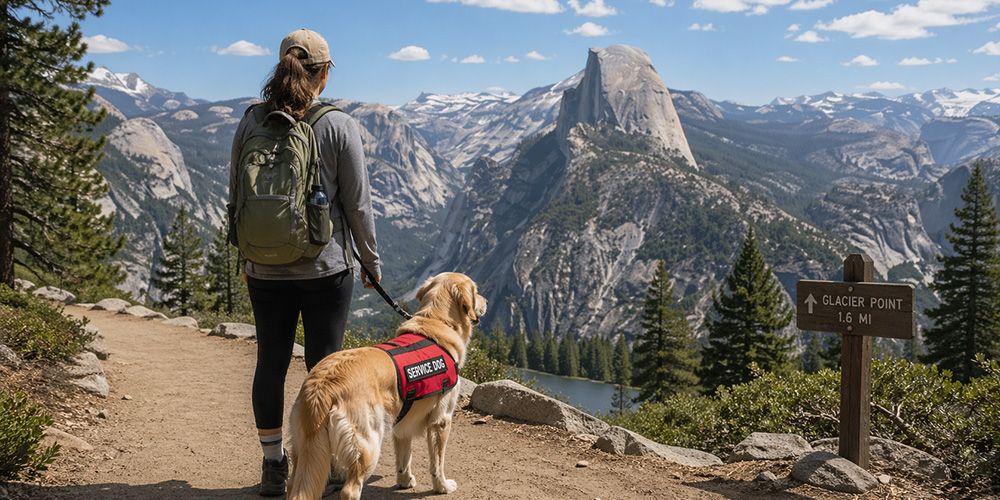
If you handle a Service Dog, the wilderness is largely open. Service Dogs are generally allowed wherever the general public can go. This includes unpaved trails, visitor centers, and backcountry campgrounds. If a human hiker can visit, your Service Dog can too.
Safety and conservation remain top priorities for all working teams. When exploring the parks, keep these key rules in mind:
- Leash Requirements: Service Dogs must be leashed at all times. Most parks require a lead no longer than six feet. An exception exists only if the leash interferes with a task, in which case the dog must be under voice control.
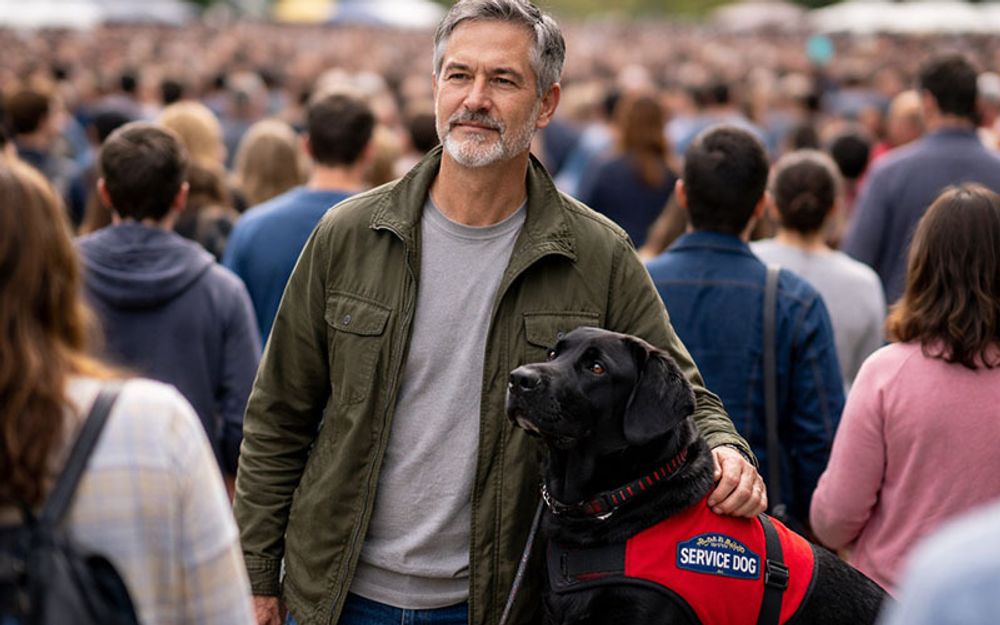
- Wildlife Safety: Predators like bears, mountain lions, and wolves live in many National Parks. We suggest using highly visible vests or bear bells on trails to differentiate your dog from wild canines.
- Waste Management: Always follow "Leave No Trace" principles. Service Dog waste must be packed out or buried deep to prevent the spread of domestic diseases to local wildlife and protect the environment for future hikers.
Pet-Friendly Exploring for ESAs
ESA handlers still have many exciting options in the parks. You do not have to leave your companion behind. Many parks offer scenic areas where ESAs are welcome to explore.
Generally, ESAs are permitted in the following areas:
- Developed campgrounds
- Paved parking areas
- Most paved scenic viewpoints and picnic spots
However, they are usually restricted from unpaved backcountry trails. They are also not allowed inside federal buildings or visitor centers. These rules protect the delicate flora and fauna of the park.
Some parks are more pet-friendly than others for ESA owners. Acadia National Park offers many miles of carriage roads for dogs. Petrified Forest National Park allows pets on all maintained trails and wilderness areas. These spots are perfect for a long walk with your ESA.
The B.A.R.K. Ranger Program
We highly recommend the B.A.R.K. Ranger Program for ESA owners. This NPS initiative teaches handlers about proper park etiquette. Your dog can even earn a specialized B.A.R.K. Ranger tag. It is a fun and positive way to participate. This program makes the trip memorable for you and your animal.
Gear Up for the Great Outdoors
Heading into the woods requires the right equipment for safety. Rough terrain can be hard on a dog’s sensitive paws. Consider buying dog booties to protect your dog's paws from hot asphalt or rocks. Sharp cactus needles and thorny brush are also common on trails.
Hydration is another critical factor for a successful hiking trip. Dogs overheat much faster than humans do in direct sunlight. Bring plenty of extra water and a collapsible travel bowl. Never let your dog drink from stagnant park ponds or streams. These water sources may contain harmful parasites or bacteria.
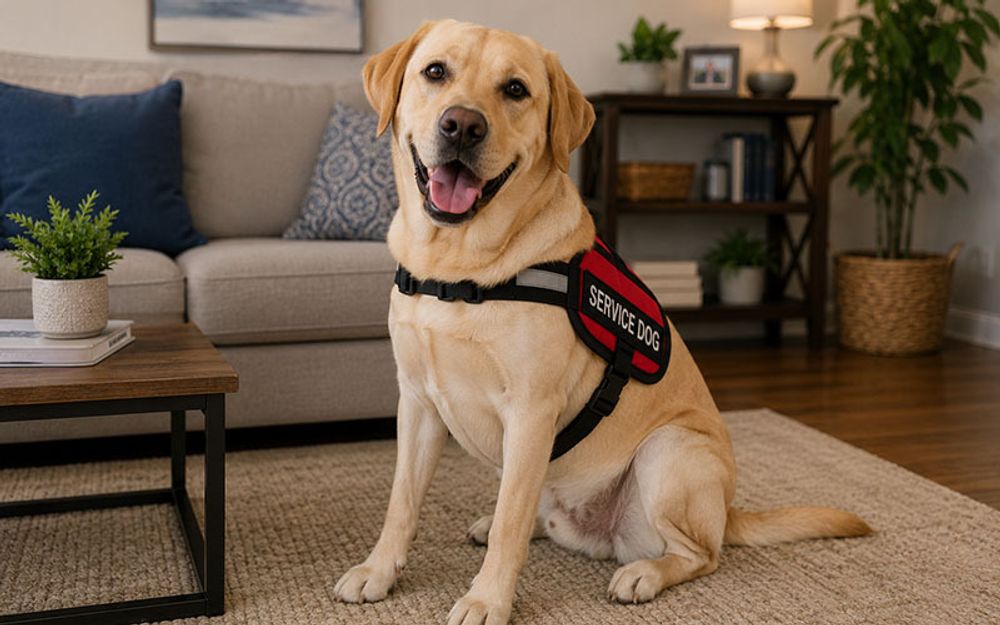
Finally, prioritize your dog's proper visibility and clear identification. Bring your certificates and ID cards for easy park entry. While a vest is not legally required, it is very helpful. A vest signals to rangers that your dog is working. It also helps other hikers identify your dog from a distance. Being clearly identified reduces confusion on busy mountain trails.
Conclusion
Nature is for everyone to enjoy and explore together. A little pre-planning goes a long way in the wilderness. You can have a safe, unforgettable trip with your pet. Respecting the rules keeps our parks beautiful and safe.
Are you ready to hit the trails this season? Make sure your dog is prepared for the journey ahead. Visit our shop for high-quality vests and ID tags. Ensure your animal is clearly identified on your next big adventure!