From Surviving to Thriving: The Power of an Emotional Support Dog
When anxiety takes over, depression makes getting out of bed feel like too much, and PTSD leaves you constantly on edge, you may also feel constant pressure to keep moving and stay productive.
And when you already have a dog who brings you a soothing sense of calm, you may have wondered whether pursuing an emotional support animal designation is worth the effort.
That hesitation is completely understandable. Taking even small steps can feel difficult when you are already dealing with so much, and not finishing a process doesn't mean you don't need support.
When you are stuck in survival mode, your nervous system is simply trying to get through the day. While a support dog isn't a substitute for care, your dog already plays a meaningful role in helping you cope. Research continues to show how the bond with a pet can ease stress, encourage daily movement, and anchor your emotional well-being—helping you move from just surviving to truly thriving.
1. The Science of Comfort: How Dogs Calm Your Nervous System
An emotional support animal (ESA) is a companion animal that provides support to a person with a mental or emotional disability. Unlike service dogs, ESAs are not trained to perform specific tasks related to a disability.
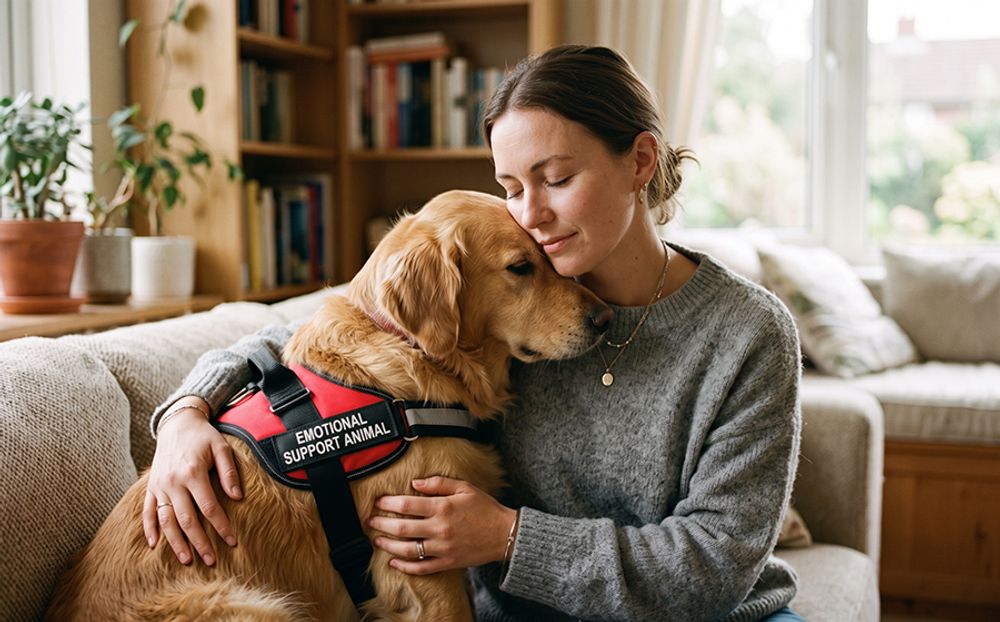
Interacting with your dog, including petting and gentle physical contact, may be associated with the release of oxytocin, a hormone involved in social bonding and emotional regulation.
Interacting with a dog may also influence cortisol levels, a hormone associated with the body's stress response. For some people, this calming interaction may help ease feelings of anxiety and physical tension.
Having your furry companion nearby can give you a simple reason to bring your attention back to the present moment.
When you feel overwhelmed, your dog’s presence can give you something familiar and grounding to focus on. That sense of comfort can feel very real in difficult moments.
2. Rebuilding Routine When Motivation Disappears
Mental health struggles make everyday responsibilities feel excruciating. Getting up in the morning can feel like a burden, and making breakfast seems like a daunting task when you're in such a mood.
But your ESA still needs to be fed, taken outside, and cared for. Their needs create small moments of structure throughout the day, which can make it easier to keep moving forward.
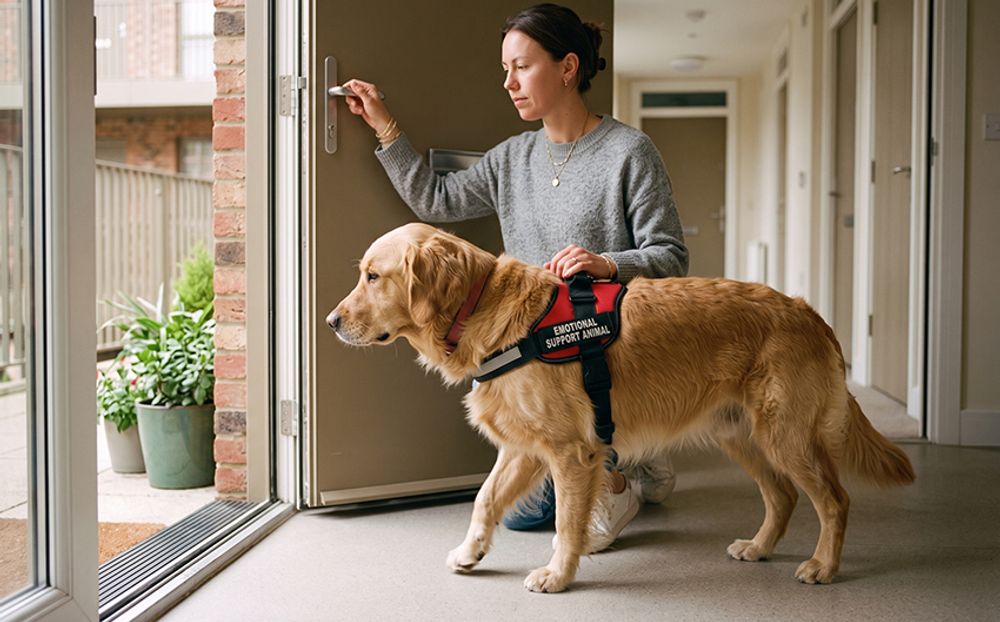
You don't have to figure out your entire day at once. You can start with one small responsibility: fill the bowl, open the door, grab the leash, and take a short walk.
Caring for another living being can also remind you that your day has meaning beyond simply getting through it.
3. A Constant Anchor During Emotional Storms
Anxiety and panic can pull your attention and make your intrusive thoughts the center of your attention. In those moments, focusing on your dog can give your mind something concrete and familiar to return to.
Small grounding details, like the rhythm of their breathing, their warmth, or the sound of their paws, can stop your thoughts from spiraling.
For example, instead of remaining trapped in a cycle of frightening thoughts, you might focus on the physical sensation of stroking your dog's coat or the weight of their head resting against your leg.
Your dog is always there for you and accepts everything without explanation, which many people cherish the most. You never have to pretend in front of them or put on a brave face when you're having a bad day.
4. Breaking the Cycle of Isolation
When leaving home feels intimidating and you're inclined to isolate, your dog helps break the pattern by naturally creating opportunities for brief social interactions.
Someone may ask your dog's name. Another dog owner may stop to say hello. A neighbor may comment on how friendly your dog is. These small interactions can be meaningful when socializing feels difficult. The CDC notes that pets can increase opportunities to get outside and socialize and may help with loneliness and depression. Your dog does not have to make you suddenly outgoing. They can simply make the outside world feel a little easier to approach.
5. Supporting Better Sleep and Physical Health
When you are struggling emotionally, your sleep can suffer. When you sleep poorly and move less, maintaining emotional resilience can become even harder. Your dog can introduce more movement into your routine without requiring you to think of it as a workout.
A morning walk gets you moving. An evening walk gives you a reason to step away from screens and daily stress. Even a few additional minutes of movement can contribute to your overall activity level. Regular physical activity can improve sleep quality and reduce symptoms of anxiety and depression. And then there is the comfort of having your familiar companion nearby at the end of the day.
Your Bond Is Worth Protecting
Whether your dog helps you get out of bed, calms you during anxious moments, or simply gives you a daily reason to keep going, those moments matter.
While an Emotional Support Animal (ESA) doesn't replace therapy, their support is a vital part of your mental health care. Making that relationship official ensures you can keep your companion by your side without administrative stress or housing barriers.
-
Secure Your Housing Rights: Under the Fair Housing Act (FHA), qualifying ESAs are recognized as reasonable accommodations, allowing you to live in no-pet housing and avoid pet fees. What you need is an official documentation letter—you can get evaluated by a therapist in your state through our ESA Housing Evaluation Service to ensure your landlord receives compliant, legitimate paperwork.
-
Avoid Daily Hassles: While government registration isn't required by law, registering your ESA and equipping them with an ID badge or vest clearly identifies your dog to landlords, property managers, and neighbors—preventing awkward questions in common areas.
-
Get Dedicated Support: Registering with USA Service Dogs gives you access to our support team whenever you need help navigating your rights as an owner.
Ready to Protect Your Bond with ESA Letter?
If you started this process before and got overwhelmed, you can pick it back up whenever you feel ready. You’ve already found your best friend and support system, now let us make keeping them easy. Get started today with your Emotional Support Dog Evaluation Letter.