Standing Up for Your Service Dog Rights on the Curb
Standing on a busy curb as a driver cancels and pulls away is deeply frustrating. For service dog handlers, ride refusals remain a frequent and disruptive challenge. While independent drivers often offer personal excuses, federal law and corporate policies strictly protect your right to ride.
Equipping yourself with the facts allows you to handle these situations with confidence and calm. This guide outlines exact corporate policies, curbside de-escalation tactics, and step-by-step reporting procedures to ensure accountability.
The Reality vs. The Law - What Corporate Policies Actually Say
Under Title III of the Americans with Disabilities Act (ADA), rideshare drivers cannot deny service to handlers traveling with a service dog. When joining Uber or Lyft, drivers agree to abide by federal accessibility laws, and both platforms enforce zero-tolerance policies for service dog refusals.
Legal Note: ADA public accommodation rights apply exclusively to service dogs trained to perform specific tasks for a disability. Emotional Support Animals (ESAs) and therapy pets are not recognized as service animals under the ADA and do not have guaranteed access to standard rideshare vehicles.
Common Excuses That Are Legally Invalid
Drivers frequently offer personal reasons when attempting to deny rides to service dog handlers. However, corporate policies and federal regulations explicitly state that these common excuses are legally invalid:
● Allergies - Drivers cannot reject your service dog due to personal medical allergies.
● Religious Objections - Personal religious beliefs do not override federal public accommodation standards.
● Fear of Dogs - A ride refusal is never justified by a driver's personal phobia or discomfort with dogs.
The Consequences - If a driver knowingly refuses a service dog, companies permanently delete their account.
The "Uber Pet" and "Lyft Pet" Trap
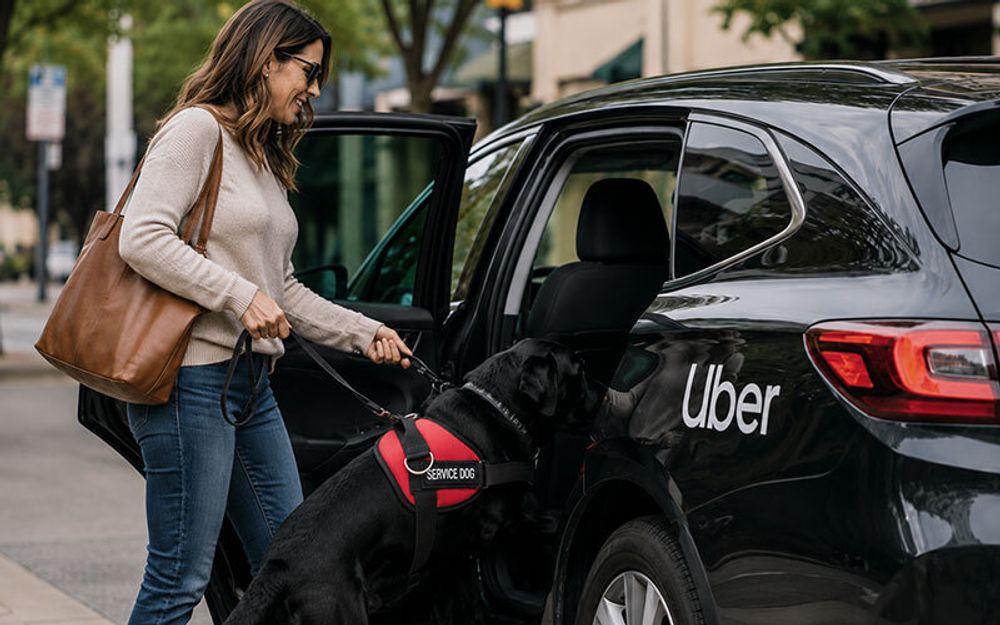
Many handlers face confusion regarding specialized premium tiers like Uber Pet or Lyft Pet. Being aware of your rights prevents you from paying extra money for rides you deserve.
You Never Need to Upgrade or Pay Extra
You are never required to pay extra fees or upgrade to premium ride options like Uber Pet or Lyft Pet. Service dogs are legally permitted in all vehicle options, including standard rides like UberX, Uber Comfort, and standard Lyft. Drivers are prohibited from charging extra surcharges, mandatory cleaning fees for normal hair/shedding, or upfront deposits for traveling with a trained service dog.
How Cleaning Fees Work
Under Uber and Lyft accessibility policies, handlers cannot be charged cleaning fees for normal shedding or routine fur. If a driver submits a cleaning fee for standard shed hair, contact support immediately for a full refund.
However, handlers can be held responsible for cleaning fees if a service animal causes major vehicle damage, has a bodily fluid accident (such as urinating or vomiting), or leaves excessive mud or debris requiring professional detailing. Brushing your service dog before traveling and placing a small towel on the seat helps prevent misunderstandings and keeps your trip hassle-free.
Curb-Side De-Escalation - What to Do When a Driver Says "No"
When a driver hesitates at the curb, staying calm helps resolve the situation
- Stay Calm, but Firm - Confidently state that your service dog is protected under federal law. Avoid arguing or getting emotional, as staying calm keeps you in control.
- Answer the Two Permissible Questions - Drivers may legally ask if your dog is required for a disability. They may also ask what specific tasks your dog has been trained to perform. Have concise, direct answers prepared so you can explain your rights quickly.
- Gather Essential Evidence - Note the license plate number and vehicle make before the driver leaves. Take a quick screenshot of the driver profile inside your app for evidence.
- Let the Driver Cancel - Never hit the cancel button yourself during a refusal. Forcing them to cancel creates a digital record for your official complaint. Canceling on your phone means you might get charged and lose driver information.
How to Report a Violation and Ensure Accountability
Reporting an issue leads to real action and protects other handlers down the road, and ride companies take these complaints seriously when you share the right information.
Platform-Specific Reporting Steps
|
Uber Reporting Steps |
Open the app, go to Account > Help > Accessibility, and select Report a Service Animal Problem (or file directly from your trip history). Uber will investigate the incident, refund any improper cancellation charges, and take disciplinary action against the driver, up to permanent account deactivation. |
|
Lyft Reporting Steps |
Go to your Ride History, hit Get Help and select Service Animal Denied. CCall Lyft directly at 1-844-554-1297 if you require immediate phone support rather than navigating the app menus. |
What to State in Your Report
Stick to the main facts when describing what happened to the support staff. Clearly explain that you were denied a ride only because of your working dog. Giving them the date, exact location and car plate number speeds up the entire process.
Voluntary Gear That Bypasses Curb-Side Friction
Standing on the curb watching a driver pull away is frustrating and disruptive. While federal law protects your right to ride, many independent drivers remain unfamiliar with basic accessibility requirements. Knowing how corporate policies work and keeping calm during driver encounters helps ensure smooth trips.
Legal Disclaimer: Under the Americans with Disabilities Act (ADA), service dogs are not legally required to wear a vest, harness, tag, or specific identification. Drivers cannot deny entry simply because a service dog lacks gear, nor can they demand service dog registration cards or physical proof.
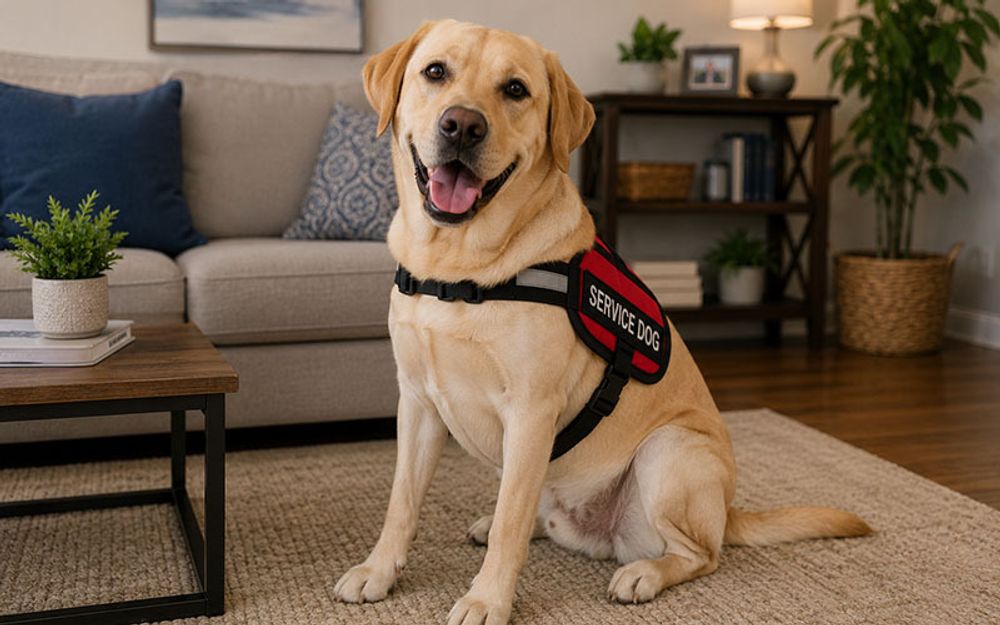
Even though gear is completely optional under the law, many handlers choose to equip their dogs with visible accessories to avoid unnecessary debate. Clear, professional identification sends an immediate visual signal to approaching drivers, helping distinguish a working service dog from a household pet before the car even stops.
At USA Service Dogs, we offer high-visibility vests, clear ID patches, and sturdy leashes designed to make your dog’s working status instantly recognizable at a distance. Equipping your dog with clear gear helps prevent curbside misunderstandings, saving you time and energy when you just need to get to your destination.